Skip to content
FCFirst ClassCHAUFFEURS

JNVehicles

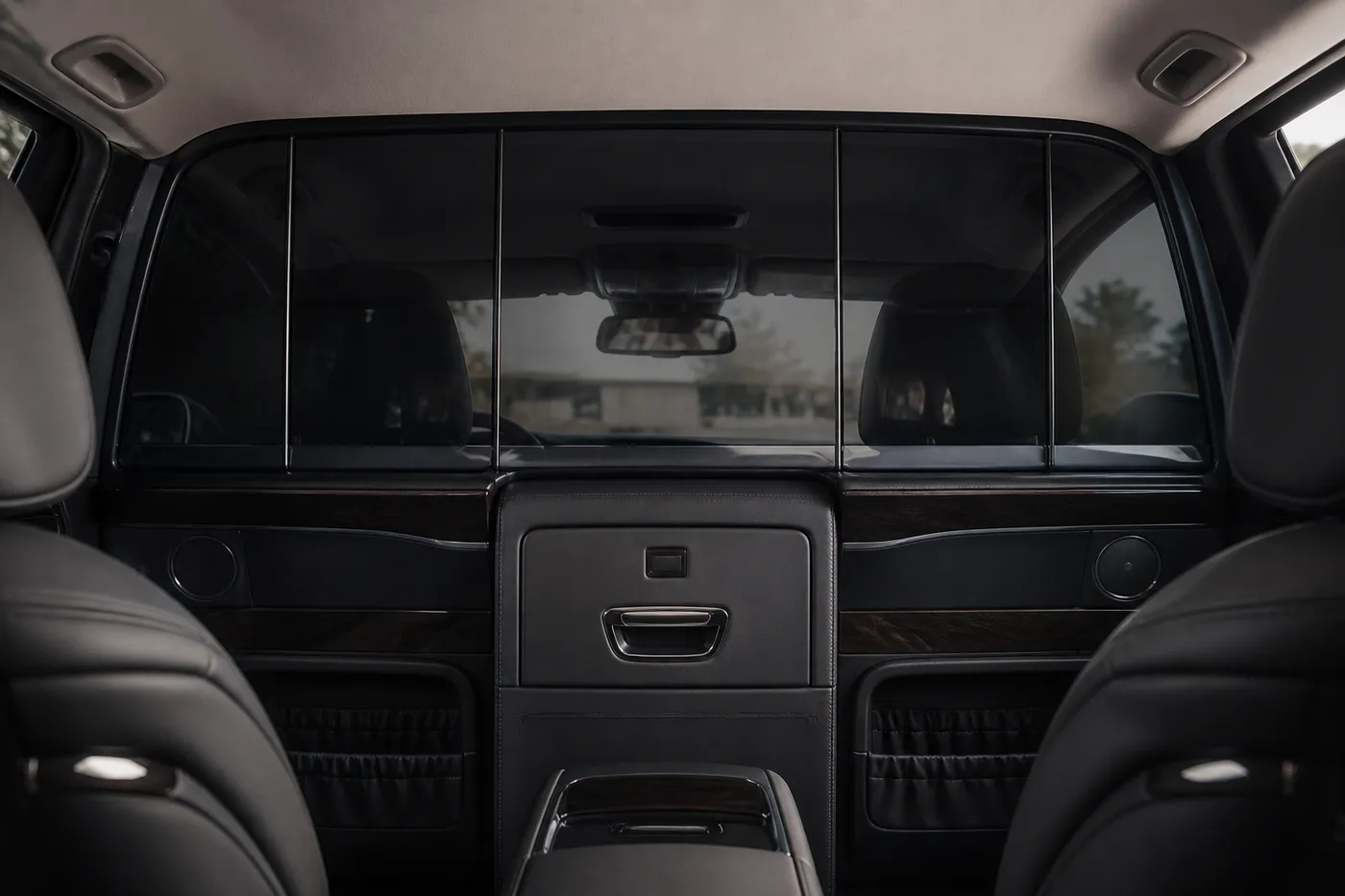
The partition, and when anyone actually uses it

A partition is a piece of glass that spends most of its life down. The occasions it goes up are worth understanding.

From the journal
Privacy partition cabin

Written quotation, usually within the hour

The partition, and when anyone actually uses it: summary

A partition is a piece of glass that spends most of its life down. The occasions it goes up are worth understanding. A partition is a piece of glass that spends most of its life down. It is the feature people ask about most and use least, which makes it an interesting thing to write about rather than a useless one. When it does go up, it is usually for one of three reasons, and none of them are the reason people imagine.

Filed under

Vehicles

Published

8 January 2025

Sections

8

Reading time

4 minutes

01Opening

Where this starts

A partition is a piece of glass that spends most of its life down. It is the feature people ask about most and use least, which makes it an interesting thing to write about rather than a useless one.

When it does go up, it is usually for one of three reasons, and none of them are the reason people imagine.

02At a glance

What this piece is

Filed under
Vehicles
Published
8 January 2025
Sections
8
Reading time
4 minutes

03The piece

The partition, and when anyone actually uses it

Reason one: a conversation between two passengers

JN-01Reason one: a conversation between two passengers

Reason one: a conversation between two passengers

The commonest genuine use has nothing to do with the chauffeur’s discretion and everything to do with the passengers’ confidence in it. Two people discussing something sensitive on an hour-long journey will generally behave as though the front of the car is empty, and a physical barrier converts that assumption into a certainty for anybody who would rather not rely on assumptions.

Two colleagues talking about something they would rather not have overheard, on a journey long enough that behaviour alone feels insufficient. This is the commonest genuine use and it is entirely reasonable.

A well-behaved chauffeur is already effectively absent, and there is a difference between being confident of that and being certain of it. The glass provides the certainty.
JN-02Reason two: a call that needs to be private

Reason two: a call that needs to be private

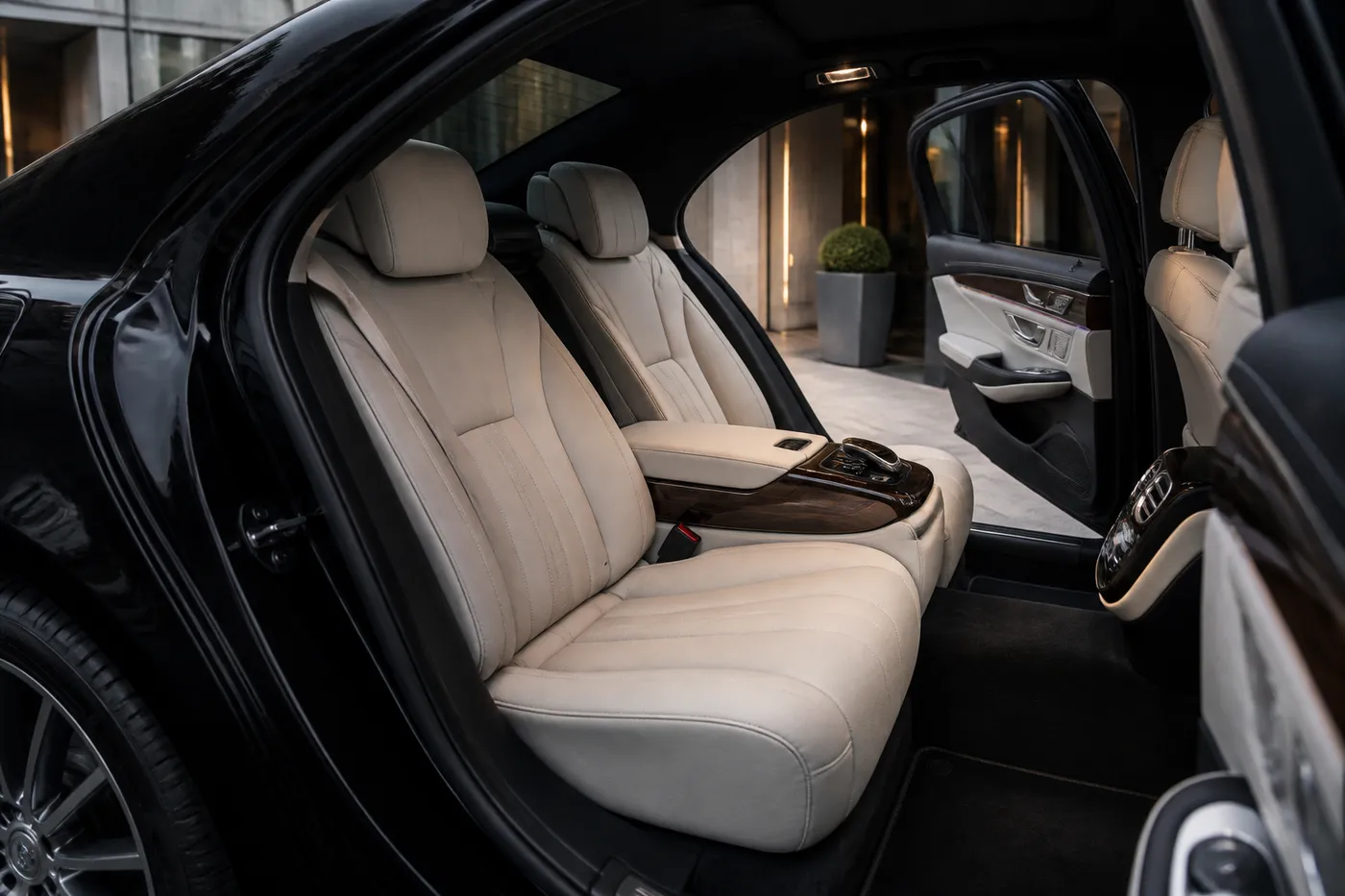
The second situation is a call, and specifically a call taken with other people in the vehicle. A rear cabin is an excellent place to take one, which is why so much business travel happens in cars, and the calculation changes entirely when the car contains three colleagues as well as the person speaking.

A conference call taken from a car with three other people in it is a different proposition from one taken alone. Where a partition exists, this is the moment for it, and it is usually raised without comment.

It is also a moment where a chauffeur can help by not doing anything: no radio, no adjustment of the climate, and no questions until the call ends.

JN-03Reason three: sleep

Reason three: sleep

The third use is the one nobody specifies a car for and the one that most justifies the feature. On an overnight run the light from an instrument panel and the reflections in a windscreen are more disruptive to sleep than the noise of the road, and closing off the front of the cabin removes both.

On a long overnight run, closing off the front of the car removes the glow of the instruments and the reflections from the windscreen, both of which are more disruptive to sleep than any noise.

This is the use that most justifies the feature and the one nobody mentions when specifying a car.

What it costs

JN-04What it costs

What it costs

Nothing in a car is free of consequences and a partition takes several things away in exchange for what it offers. Some of them are physical and one of them is social, and it is the social cost that explains why so few passengers use one even when it is fitted.

Headroom, occasionally. A sense of enclosure that some passengers dislike intensely. And it makes conversation with the chauffeur a two-step process, which is enough to stop most people using it at all.

It also means a passenger cannot see the road ahead, which a small number of people find genuinely uncomfortable.

05The piece, continued

Further down the page

JN-05The alternative that works better

The alternative that works better

For almost every requirement that a partition is asked to meet there is a simpler solution, and it is the reason most of the modern executive fleet has abandoned the feature entirely without anybody complaining.

A quiet cabin and a chauffeur who does not participate. In practice that covers almost everything a partition is asked to do, and it does it without dividing the car in half.

Which is why most of the executive fleet does not have one and very few clients ask.

JN-06Where it is not optional

Where it is not optional

There remain two categories of work where the question does not arise because the vehicle itself assumes it, and they are worth naming.

Formal limousine work, where the layout of the vehicle assumes it, and certain ceremonial occasions where the separation is part of the form of the thing.

Outside those, treat it as a feature to be used occasionally rather than a defining characteristic of a good car.

JN-07The intercom problem

The intercom problem

Cars with a partition need a way for the two halves to speak to each other, and the implementations vary from good to comic. A well-designed system is a single button that works immediately; a poor one involves a menu, a delay and somebody eventually lowering the glass instead.

Anybody specifying a partitioned vehicle should try the intercom before anything else, because it is the feature that determines whether the partition gets used twice or once.

What it does to the chauffeur

JN-08What it does to the chauffeur

What it does to the chauffeur

From the front, a raised partition removes almost all situational awareness of the rear cabin. That is the point, and it means the driver cannot tell whether somebody is asleep, on a call or trying to attract attention, which changes how the rest of the journey is handled.

The practical response is to agree at the start how the passenger will signal, and then not to interrupt for anything short of a change of plan.

08Answers

Questions this piece raises

Asked often enough that the answers belong on the page rather than in a reply.

Do your cars have a partition?

Some do, and most of the executive saloons do not. A quiet cabin and a chauffeur who does not join the conversation covers almost everything a partition is asked to do.

When would I actually want one raised?

For a private call, a conversation between two passengers, or for sleep on a long overnight run, where it removes the glow of the instruments as much as any sound.

Can I request a vehicle with a partition?

Yes, and it is worth saying when the booking is made rather than on the day, since it narrows the choice of vehicle considerably.

FCReservations

Every piece here ends at the same place: a car, a time and a name.

Send the date, the pick-up point and where you are going. A written quotation comes back with the vehicle, the chauffeur's arrival time and what the figure covers.

Hours
Reservations answered around the clock, every day of the year.
CallGet a quote