Skip to content
FCFirst ClassCHAUFFEURS

GDTravel guide

A long day on the road, hour by hour

Hour by hour through a long day on the road: the easy first hour, the point where the seat starts to matter, the stop, and the last hour.

6 min readPublished 24 June 2025
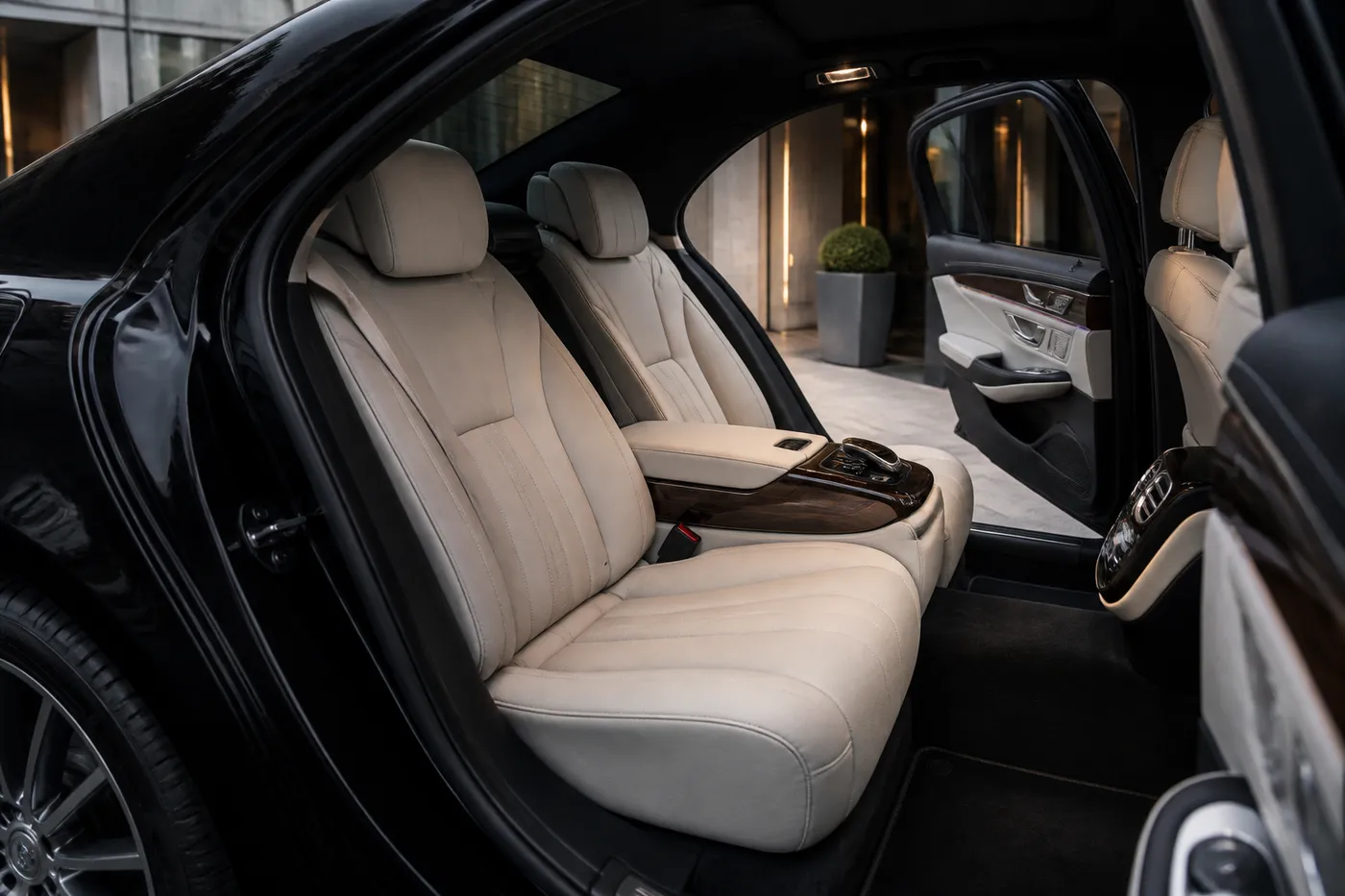
Executive saloon rear interior

Written quotation, usually within the hour

What four hundred miles feels like from the back seat

Hour by hour through a long day on the road: the easy first hour, the point where the seat starts to matter, the stop, and the last hour. Most descriptions of long-distance chauffeur travel are written by people who have not done it, and they all say the same thing about relaxing in comfort. A four-hundred-mile day is genuinely comfortable and it is also long, and the two facts sit together rather than cancelling out. Knowing the shape of it makes the day considerably easier to plan and slightly easier to endure. What follows is an ordinary version: away from London at eight in the morning, up to somewhere in the north of England, arriving in the late afternoon. Roughly seven hours of elapsed time, five and a half of it moving. It is written from the passenger side, because that is the part nobody describes honestly.

Category

Travel

Published

24 June 2025

Sections

7 sections

Category
Travel
Reading time
6 minutes
Published
24 June 2025
Sections
7 sections

01The short version

What four hundred miles feels like from the back seat

Most descriptions of long-distance chauffeur travel are written by people who have not done it, and they all say the same thing about relaxing in comfort. A four-hundred-mile day is genuinely comfortable and it is also long, and the two facts sit together rather than cancelling out. Knowing the shape of it makes the day considerably easier to plan and slightly easier to endure.

What follows is an ordinary version: away from London at eight in the morning, up to somewhere in the north of England, arriving in the late afternoon. Roughly seven hours of elapsed time, five and a half of it moving. It is written from the passenger side, because that is the part nobody describes honestly.

The first hour, which is easy

GD-01The first hour, which is easy

The first hour, which is easy

Nothing happens in the first hour and that is the point. The novelty of not driving is still fresh, the coffee is still warm, and getting out of London is interesting enough to watch. If you are going to sleep at all you will sleep in this hour, because a car pulling away at eight after an early start is the most soporific environment in Britain.

This is also the hour where the small decisions get made that shape the rest of the day. Seat position, whether the sun will be a problem on the right-hand side, whether the temperature is right. Adjusting those at nine in the morning takes ten seconds; adjusting them at one in the afternoon means you have been uncomfortable for four hours.

GD-02The second and third hours

The second and third hours

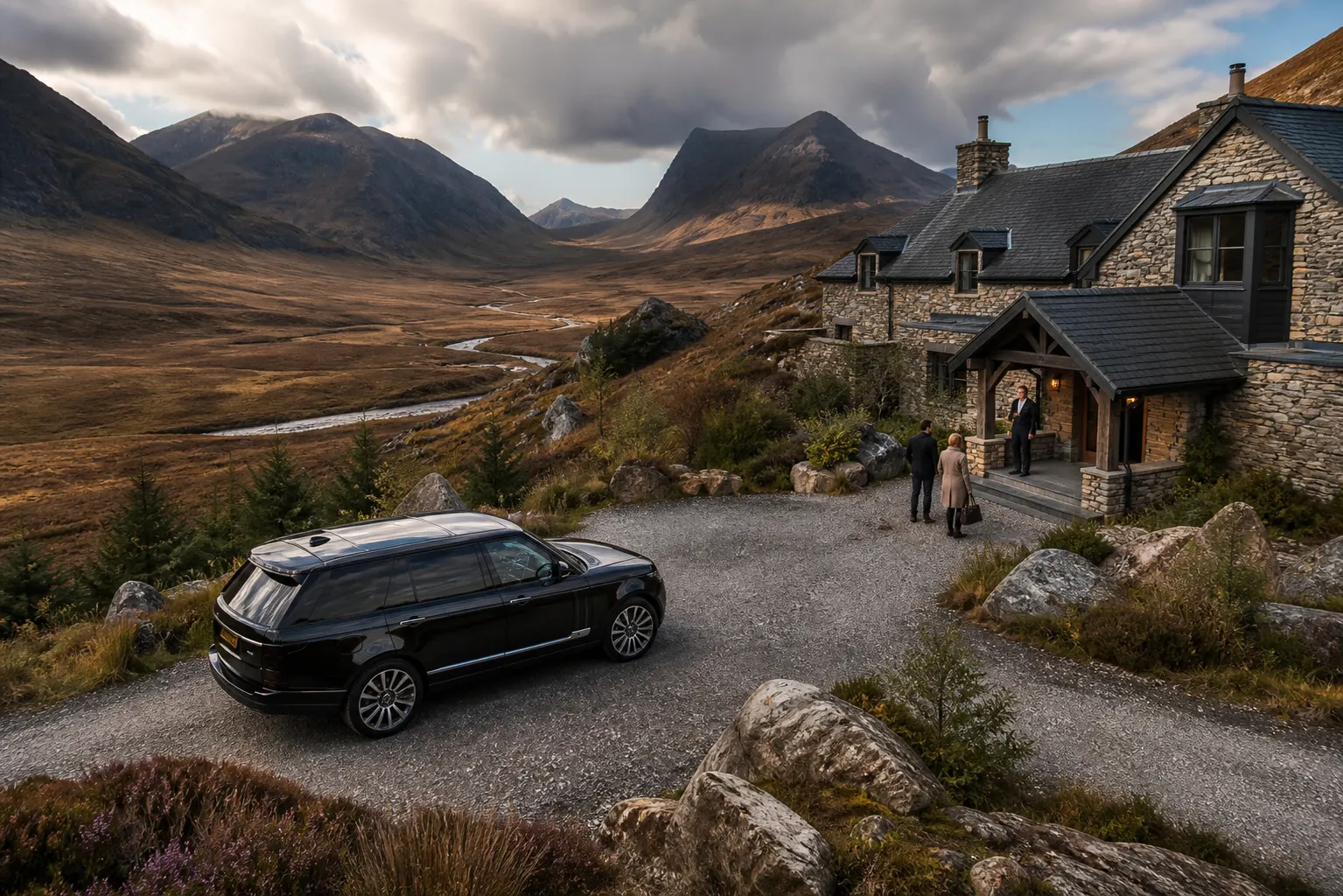
The best part of the day. You are properly settled, the motorway is doing what motorways do, and there is no decision to make for a hundred miles. If you are going to read, deal with something, make calls or watch the country go by, this is when it happens, and it passes faster than any other part of the journey.

Somewhere in the third hour the first genuine restlessness arrives. It is not discomfort exactly; it is the body noticing it has been in one position for a while. That is the signal for the stop, and taking it then rather than pushing on for another forty minutes is what keeps the rest of the day pleasant.

  • The easiest two hours of any long journey
  • The point where reading or calls actually happen
  • Restlessness arrives late in the third hour
  • Take the stop then rather than pushing on
The stop, which matters more than it sounds

GD-03The stop, which matters more than it sounds

The stop, which matters more than it sounds

Twenty minutes, roughly halfway, ideally somewhere with a walk in it. The physical part matters more than the coffee: standing up, walking two hundred yards and moving your shoulders resets the second half of the journey in a way that sitting in a service station with a sandwich does not.

This is also when the chauffeur checks the car and takes his own break, which is not optional on a day of this length. A stop is a shared necessity rather than a courtesy to the passenger, and a driver who says he is fine to push straight through for six hours is not somebody you want driving the last hour of it.

GD-04The fourth hour, where the seat decides everything

The fourth hour, where the seat decides everything

After the stop the journey feels new for about twenty minutes and then settles into the long middle. This is where the specification of the car stops being a matter of taste and becomes a matter of consequence: a seat with lumbar adjustment and a few degrees of recline is a different object from a fixed bench angle, and the difference is imperceptible at nine in the morning and very perceptible at half past one.

Cabin noise does the same thing. At seventy the gap between a well-insulated saloon and an ordinary one is a few decibels, which sounds trivial and accumulates into the tiredness people arrive with. It is the strongest single argument for stepping up a class on a genuinely long day.

  • Lumbar adjustment matters from about the fourth hour
  • A few degrees of recline changes the second half of a day
  • Cabin noise accumulates into tiredness you cannot locate
  • Cabin temperature drifts more than people expect over hours

GD-05The fifth hour and the second stop

The fifth hour and the second stop

On a genuinely long day there is a second stop, shorter than the first, and it exists mostly for the driver. Ten minutes is enough. By this point most passengers have stopped watching the country and are counting junctions, and the useful thing a chauffeur can do is say honestly how long is left rather than being encouraging about it.

This is also where the plan can change usefully. If the last hour is going to be slow because of the time of day, a longer break and a later arrival is often better than sitting in traffic at the end. That decision is worth making at the second stop rather than at the last junction.

The last hour

GD-06The last hour

The last hour

It is the longest hour of the day and it always is, whatever the road is doing. It is also the hour where the journey stops being motorway and becomes A-roads, roundabouts and a town, which is more tiring to be driven through and considerably more tiring to drive.

If there is a moment on a long day where the arrangement earns its money, it is here. Arriving at five having read, dozed and looked out of a window for six hours is an entirely different condition from arriving having driven yourself, and the difference shows up in what you are capable of that evening rather than in how the journey felt.

GD-07When the day is too long to be a car journey

When the day is too long to be a car journey

Beyond about six hours of driving, a single day becomes hard work for everybody including the chauffeur, and the returns diminish sharply. London to Inverness, London to the far west of Cornwall in summer traffic, or Edinburgh to Penzance are journeys where the honest advice is to fly, to break overnight, or to take a train for the middle section.

The other case is a same-day return. Four hundred miles up and four hundred back inside one day is eight or nine hours of driving, which is more than one chauffeur should do with a meeting in the middle. Where that is genuinely necessary it needs two drivers or an overnight, and we would rather propose that than agree to something we should not.

And where the passenger simply does not enjoy car travel, none of this helps. Six hours in a car is six hours in a car. A train for the long section with a chauffeur at each end is a better day, and it is frequently cheaper as well.

02If you read nothing else

The points that matter most

  1. 01

    The first hour, which is easy

    Nothing happens in the first hour and that is the point.

  2. 02

    The second and third hours

    The best part of the day.

  3. 03

    The stop, which matters more than it sounds

    Twenty minutes, roughly halfway, ideally somewhere with a walk in it.

  4. 04

    The fourth hour, where the seat decides everything

    After the stop the journey feels new for about twenty minutes and then settles into the long middle.

  5. 05

    The fifth hour and the second stop

    On a genuinely long day there is a second stop, shorter than the first, and it exists mostly for the driver.

  6. 06

    The last hour

    It is the longest hour of the day and it always is, whatever the road is doing.

06Answers

Questions this guide gets asked

The same answers we would give on the phone, written down.

How often does a long journey stop?

Roughly every two and a half to three hours, with the main stop of about twenty minutes near the halfway point and a shorter one later. The physical part matters more than the coffee: standing up and walking a couple of hundred yards resets the second half of the day in a way that sitting still does not.

At what point does the class of car start to matter?

From about the fourth hour. A seat with lumbar adjustment and a few degrees of recline is indistinguishable from a fixed one at nine in the morning and very distinguishable at half past one. Cabin noise works the same way: a few decibels at seventy accumulates into tiredness you cannot quite locate.

What is the longest sensible single day by road?

About six hours of driving. Beyond that the returns diminish sharply for everybody including the chauffeur. London to Inverness, or the far west of Cornwall in summer traffic, are journeys where flying, breaking overnight, or taking a train for the middle section is honestly the better plan.

Can one chauffeur do a four hundred mile round trip in a day?

Not with a meeting in the middle of it. Eight or nine hours of driving in one day is more than anybody should do while carrying passengers. Where a same-day return is genuinely necessary it needs two drivers or an overnight, and we would rather propose that than agree to something we should not do.

FCReservations

Tell us the journey. We will send the price in writing.

Message us the date, the pick-up and where you are going. You will get a fixed written quotation with the vehicle, the chauffeur’s arrival time and what the figure includes — no form to fill in, and no estimate that moves later.

Hours
Reservations answered around the clock, every day of the year.
CallGet a quote